10 Breakthrough Technologies That Will Transform Our Future



Which technologies will change our lives in 2025? Who is developing them, where and how will they be used? When will they become widespread, and why are they so important? Here are the answers with 10 breakthrough technologies!
Each year, one of the most anticipated lists in the world of technology is the “10 Breakthrough Technologies” list published by MIT Technology Review. The MIT Technology Review, a prestigious publication from the Massachusetts Institute of Technology, has been compiling this list since 2001.
The list is shaped by the opinions of scientists, engineers, and industry experts, and it highlights technologies with the potential to have a significant global impact in the coming years. It focuses not only on scientific achievement but also on economic sustainability.
AI Agents

In 2025, AI agents similar to ChatGPT are not just accessing information but are also taking on active roles in decision-making processes. The new generation of models has transformed into multi-purpose digital workers that get to know users, schedule appointments on their behalf, perform financial planning, and create content.
Super-Efficient Solar Cells
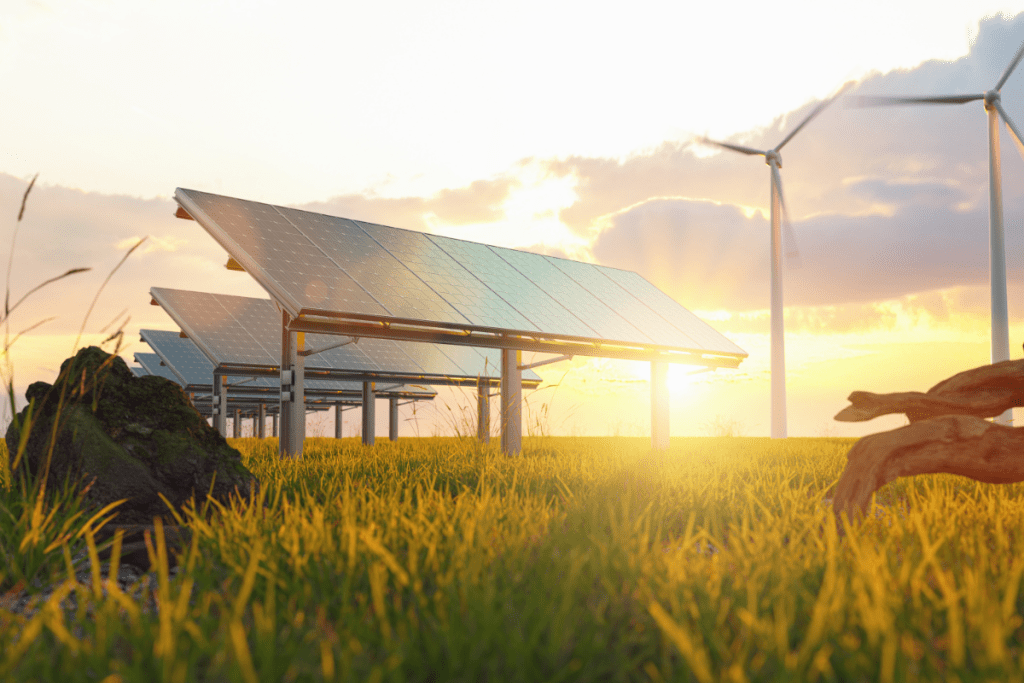
With perovskite silicon hybrid cells, the efficiency of solar panels has reached a record high of 33%. This technology is revolutionizing the energy transition by enabling the same amount of energy to be produced with both cheaper and smaller surfaces.
Genetic Treatment for Cholesterol

CRISPR technology has now reached the stage of permanently treating hereditary high cholesterol. Therapies that have shown success in human trials are ushering in an era of genetic intervention for the prevention of cardiovascular diseases.


AI Speed in Drug Development
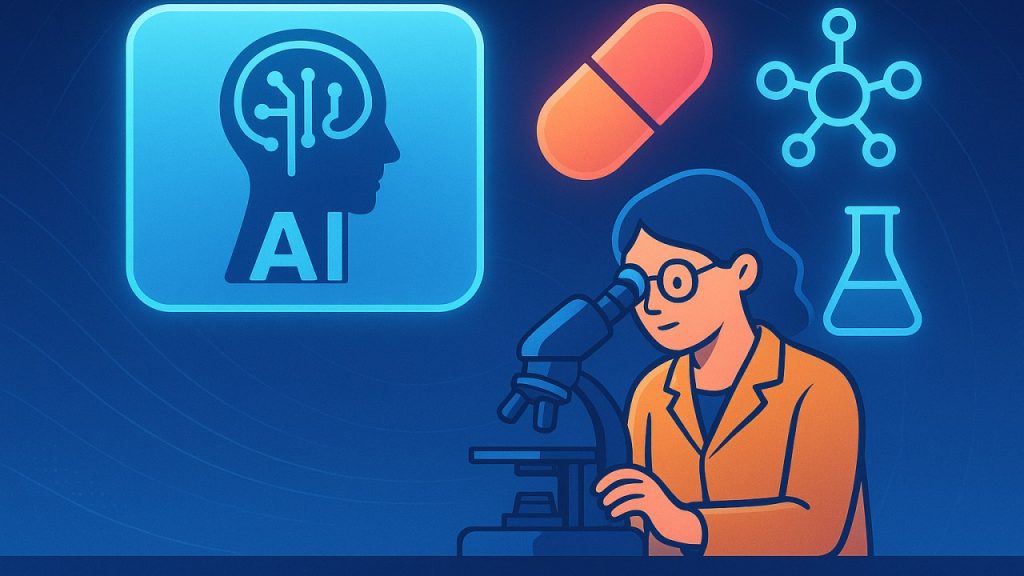
AI algorithms are replacing laboratory experiments, reducing the time to develop new drugs from years to weeks. As of 2025, many drugs entering clinical trials were produced with discoveries that were entirely AI-supported.
Driverless Taxis

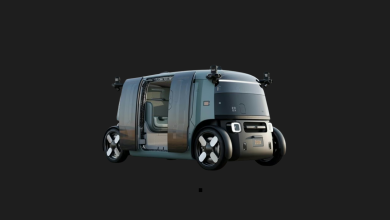
In China and the U.S., fully autonomous robotaxis are now widespread for legal and commercial use. These systems are revolutionary for nighttime transportation, logistics, and elder care.
Next-Generation Wearable Health Products

The new generation of wearable health devices can track many parameters, from continuous blood glucose monitoring to sleep apnea tracking. These devices are making out-of-hospital monitoring the new norm.
Heat Pumps That Can Operate in Ultra-Cold
Traditional heat pumps, which could not operate in cold climates, can now work effectively down to -30°C. This development is accelerating the move away from fossil fuels for heating.
Bio-Manufacturing Factories Are on the Rise
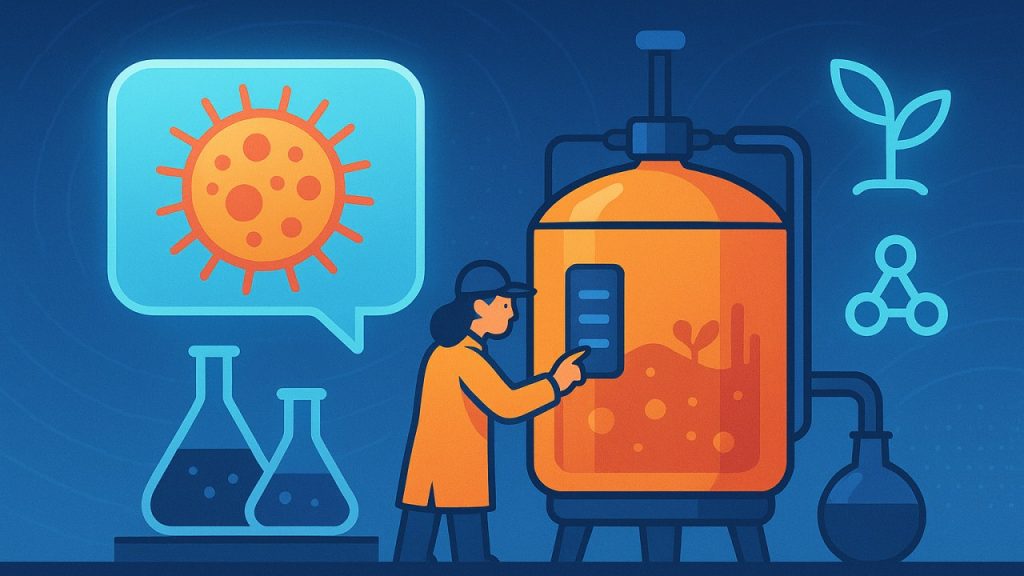
Thanks to synthetic biology, fermentation-based production (for example, proteins that can replace animal products) is becoming widespread. This is radically affecting sustainability in the agricultural and food industries.
AI-Powered Curriculums in Education
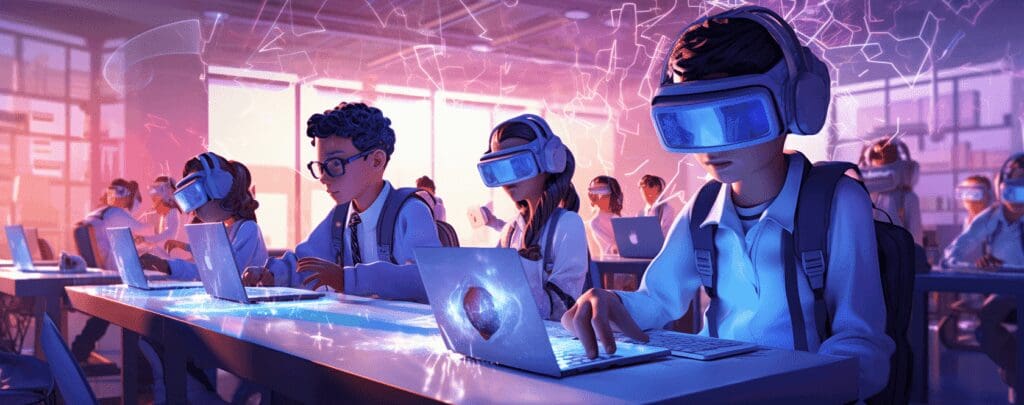
With personalized learning systems, content specific to each student’s weak areas can be determined and provided by artificial intelligence. The individualization of education is no longer exclusive to private schools.
Pocket-Sized AI

Compact AI models have been developed that can now operate in smartwatches, glasses, and even refrigerators without an internet connection. This provides significant advantages in terms of data privacy and instant responses.
You Might Also Like;